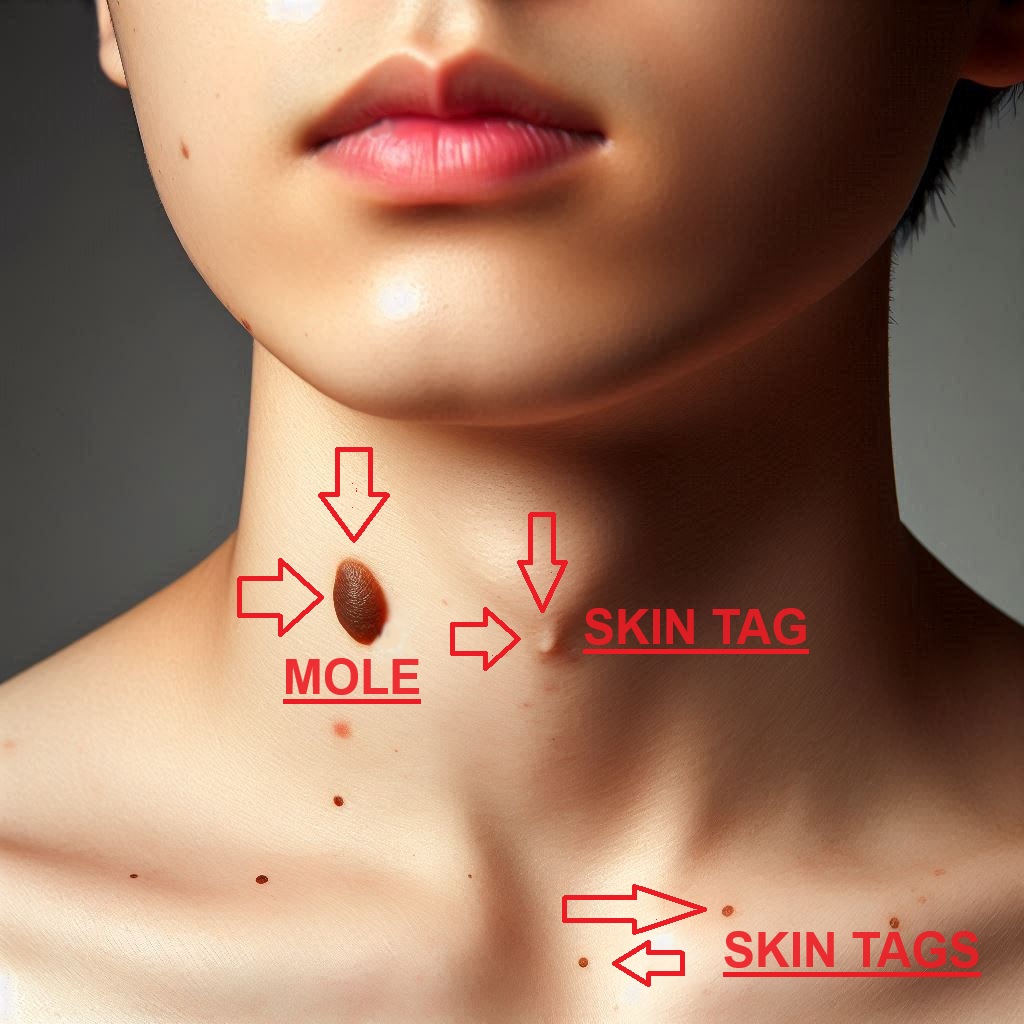
Acknowledging A Seborrheic Keratosis And Why It Matters: Dr Hendi & Associates: Skin Cancer Cells Experts They are not caused by sun damages, so they can be found on locations usually covered by apparel. Visually, seborrheic keratosis looks like growths with a waxy structure. They range in color from white to black, but a lot of are tan or brownish or simply a couple of tones darker than the person's complexion. People are more than likely to notice developments first showing up in their midlifes or later on. Seborrheic keratosis begins as tiny bumps with a harsh texture and gradually enlarges to as big as half a buck. Seborrheic keratoses are noncancerous (benign) skin growths that some people create as they age.
The expectation for seborrheic keratosis is generally positive, as it is a benign problem.
Treatment options for seborrheic keratosis emphasis mainly on getting rid of the developments if they are triggering pain or impacting one's appearance.
While the specific cause continues to be unknown, researchers have actually found some vital searchings for.
Tinea versicolor is an usual skin disease caused by an overgrowth of yeast on the skin's surface area.
They often tend to run in households but are not, strictly speaking, genetically acquired.
I Have Melanoma! Why Do I Require A Guard Lymph Node Biopsy?
What takes place if seborrheic keratosis is left untreated?
Seborrheic keratoses are harmless and not infectious. They don't require treatment, but you might make a decision to have them removed if they become inflamed by garments or you don't like exactly how they look.
Curettage, another common therapy method for seborrheic keratosis lesions, includes removing the development using a curette-- a Raised Skin Lesions small instrument with a sharp side. The procedure begins with numbing the location to minimize any type of prospective pain or pain. The skin doctor then very carefully scuffs away the lesion until reaching healthy and balanced skin below. While this therapy alternative might create some short-term soreness or mild scarring, it is typically risk-free and effective for treating sores.
What Is The Therapy For Seborrheic Keratosis?
We give a data source of explanations from actual medical professionals on a variety of clinical topics. Begin by exploring our collection of questions and topics you intend to learn more regarding. If it's something a lot more major, very early discovery makes a major difference. In most cases, treatment is not medically needed. All insurance policies and group benefit plans consist of exclusions and restrictions. For availability, prices and total details of insurance coverage, speak to an accredited representative or Cigna sales agent. They are a little more typical among men than ladies. A distinct version of seborrheic keratoses take place in darker-skinned individuals, usually on the cheeks, close to the eyelids. These are generally darkly-pigmented and sometimes "tag-like" developments, called dermatosis papulosa nigrans. Seborrheic keratosis-- noticable seb-o-REE-ik ker-uh-TOE-sis-- is a condition that takes place when skin cells start clumping with each other, which results in a development or numerous growths. These benign growths can come in different dimensions, forms, colors, and structures. They can be brown or black and can resemble ranges with ceraceous surfaces.
Therapies
Cryotherapy is a fairly fast and uncomplicated treatment that can be executed by our skin doctors at Mid-County Dermatology. It might cause mild pain throughout the freezing procedure but usually has minimal side Click to find out more effects - some scaling, blistering, and redness can be seen. Seborrheic keratosis is a typical skin condition that generally does not trigger any signs in clients. Nevertheless, in some cases, it can result in itching or irritation, particularly if it scrubs versus garments or precious jewelry or get inflamed by outside aspects like excessive sweating. These signs can be aggravating for clients with lesions and might prompt them to seek medical interest to rule out hatred. These benign (non-cancerous) developments can occur nearly anywhere on the skin.